
CASPER
Computational and Agentic Scientific Practices, Epistemology, and Reasoning
AI is transforming how we conduct science. Based at The Ohio State University, CASPER pursues this transformation across three fronts: agentic systems for astronomical surveys, computational methods for modern inference, and the epistemic implications of AI-assisted discovery.

Rethinking Scientific Practice in the Age of AI
AI represents a disruptive force in how we conduct scientific research. But disruption brings opportunity. CASPER is a new initiative at The Ohio State University that pursues three interconnected directions: deploying LLMs as agents for large-scale astronomical surveys, advancing computational and statistical methods for modern science, and investigating the epistemic implications of AI-assisted discovery.
Based at The Ohio State University, we leverage OSU's deep involvement in major surveys—Roman, DESI, SDSS-V, and ASAS-SN—to ground our work in real scientific applications, while also exploring what it means to understand when AI assists discovery.
CASPER brings together astronomy, physics, computer science, and philosophy to address both the practical challenges and foundational questions that AI raises for science.

Why Ohio State
OSU's astronomy program has a research profile well-suited for the AI era, with active leadership across cosmology, time-domain astronomy, stellar astrophysics, and instrumentation. Each of these strengths connects naturally to an AI research direction.
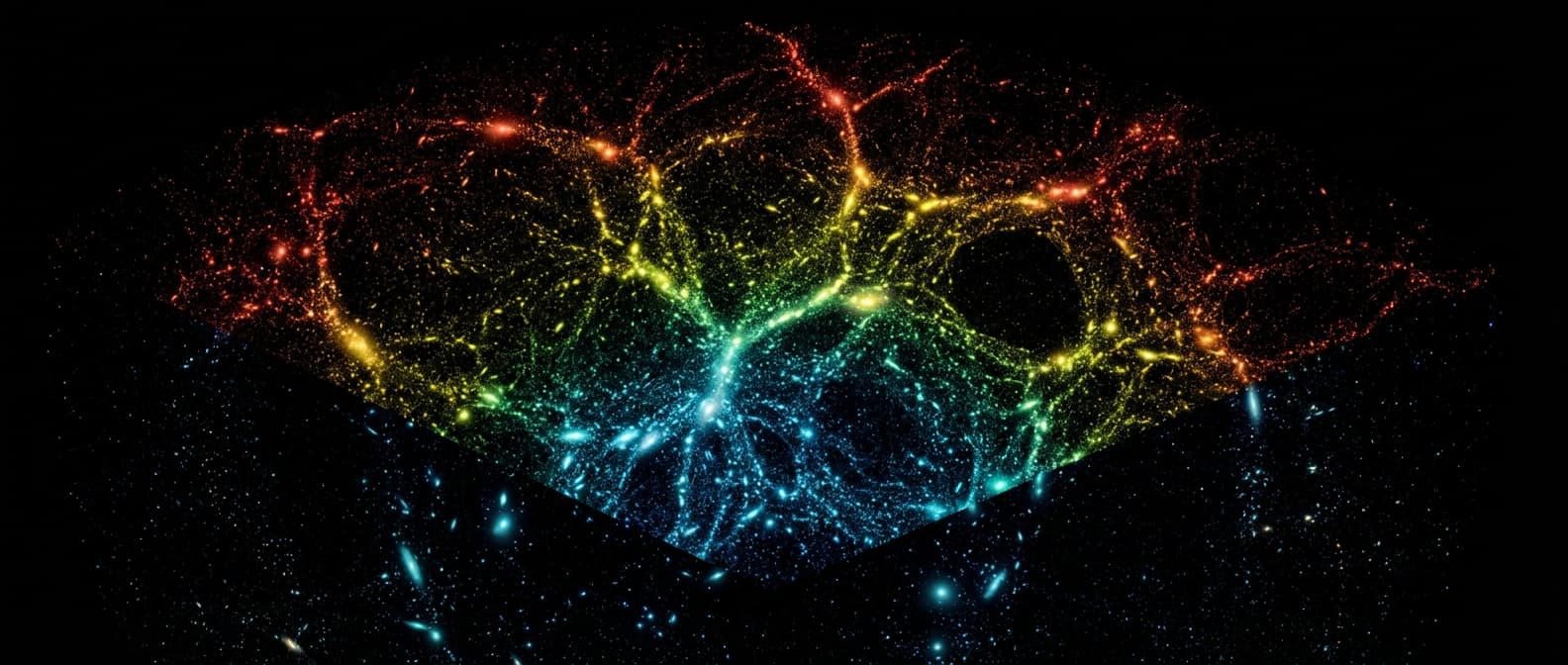
Cosmology
Deep involvement in two cosmology flagships — DESI and the Roman Space Telescope — with roles spanning instrument science, data validation, and science analysis.
Generative models for high-dimensional Bayesian inference and uncertainty quantification; agentic instrumentation control at scale.
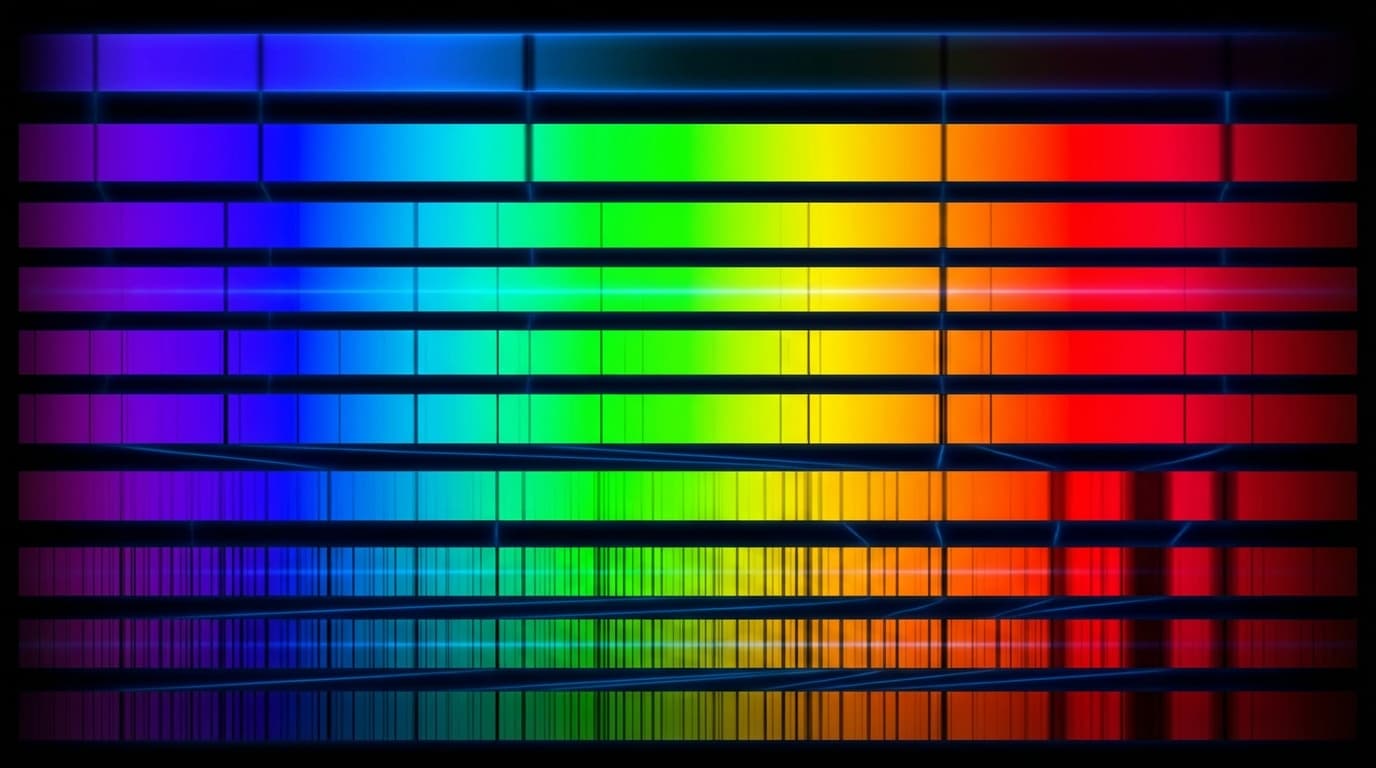
Stellar Astrophysics & Galaxy Evolution
A long tradition of leadership in the Sloan Digital Sky Survey, spanning decades of involvement from survey design and instrumentation to science analysis.
Multimodal foundation models for robust latent representation extraction across heterogeneous survey data.
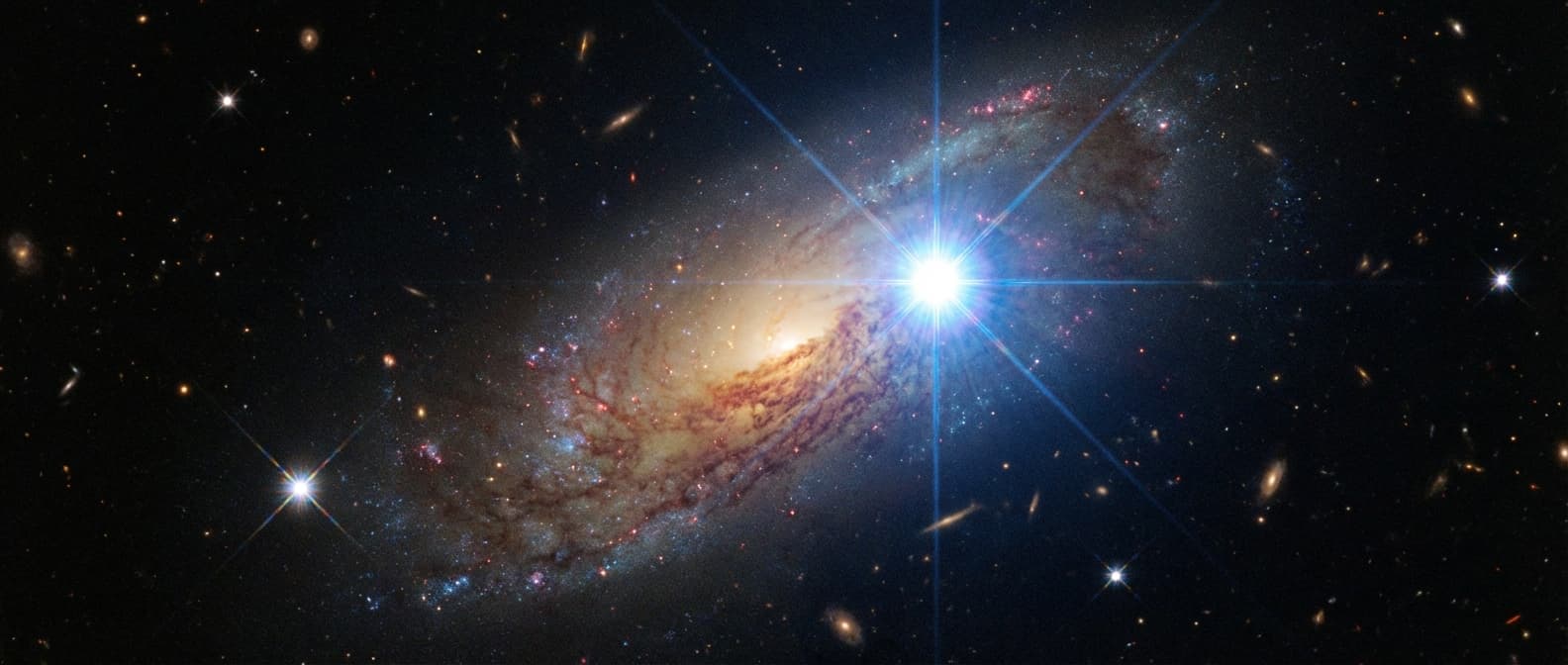
Time-Domain Astronomy
Home of ASAS-SN, which has imaged the entire sky over fourteen million times. OSU also operates the Large Binocular Telescope (LBT), an 8m-class telescope.
Knowledge graphs and recommender systems for optimal targeting of scientifically interesting objects.
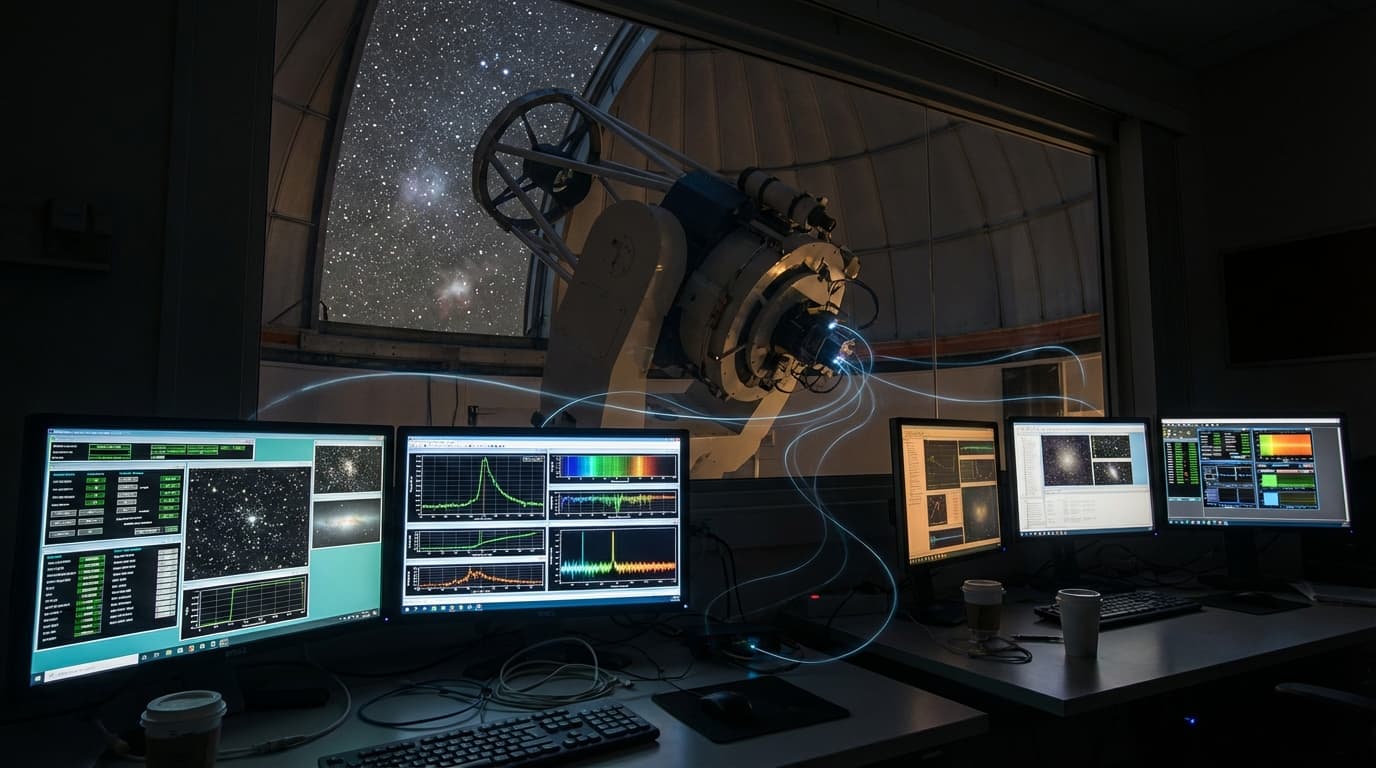
Instrumentation
A major instrument builder for the LBT and survey spectrographs, with expertise spanning fiber-fed spectrographs, exoplanet instruments (iLocater), X-ray detectors, and neutrino detectors.
Reinforcement learning for real-time instrument control and optimization.
CASPER is housed in the Department of Astronomy and draws on the interdisciplinary environment of the Center for Cosmology and AstroParticle Physics (CCAPP), bridging physics, astronomy, and computation.

Three Interconnected Directions
CASPER pursues research that spans from practical AI deployment to foundational questions about scientific knowledge—each direction informing the others.
Agentic Survey Science
Practical AI at Scale
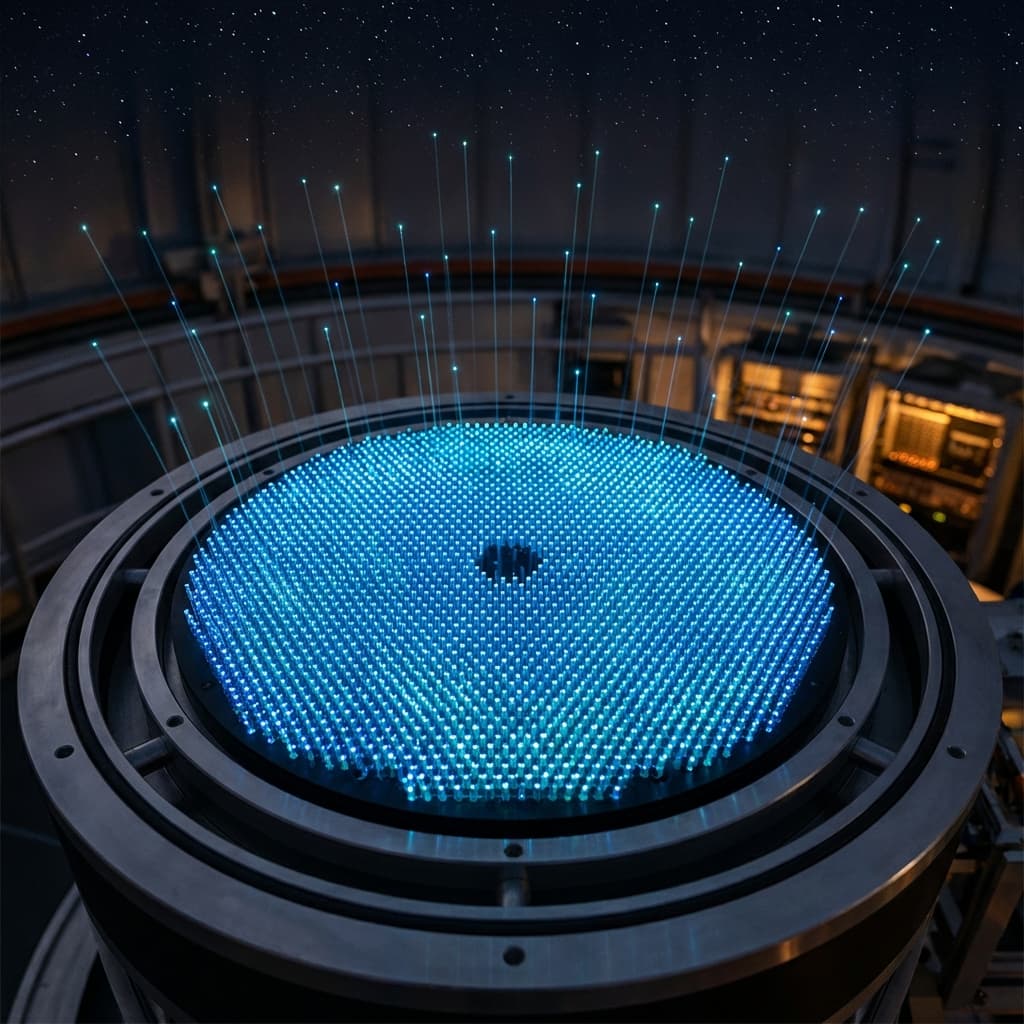
With deep involvement in Roman, DESI, SDSS-V, and ASAS-SN, CASPER develops and deploys agentic systems for survey operations — from instrumentation control to transient classification — grounding AI research in real scientific applications at scale.
Computational & Statistical Methods
Advancing Inference at Scale
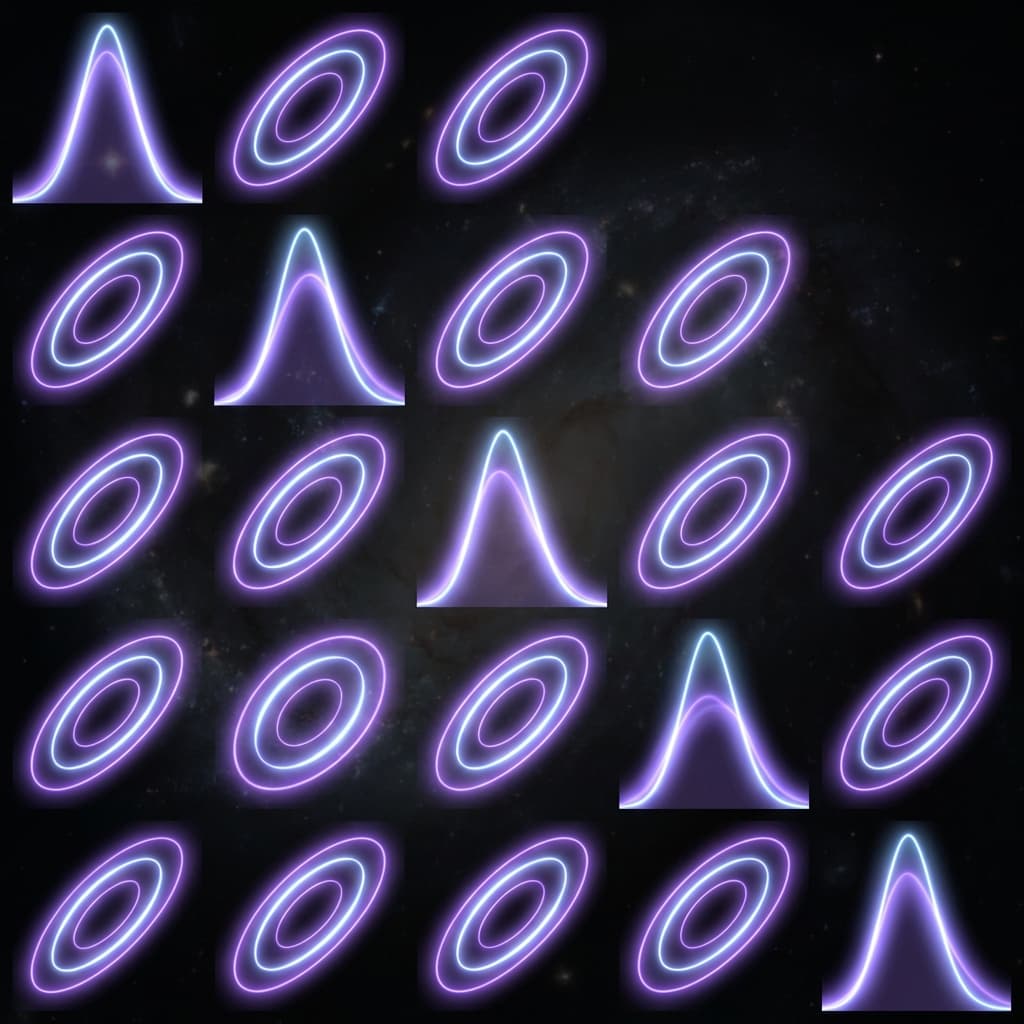
Modern surveys generate data at unprecedented scales, demanding new computational approaches. We develop generative models for uncertainty quantification, multimodal foundation models for robust feature extraction, knowledge graphs and recommender systems for optimal targeting, and reinforcement learning for instrument control.

Epistemic Implications
Knowledge About Knowledge
As AI transforms scientific practice, it raises important questions: What does it mean to understand a phenomenon when AI assists discovery? How should we evaluate scientific contributions in an era of automation? Inspired by our work on agentic systems, we explore these epistemic implications at the intersection of philosophy of science and practical AI development.
Key Investigators & Partners

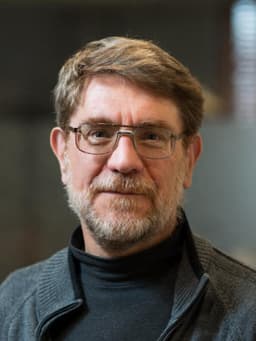
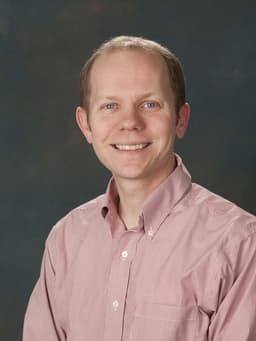

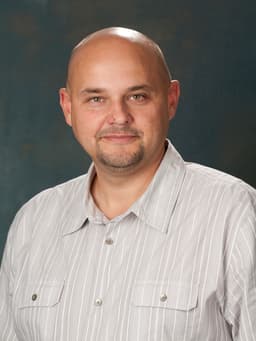
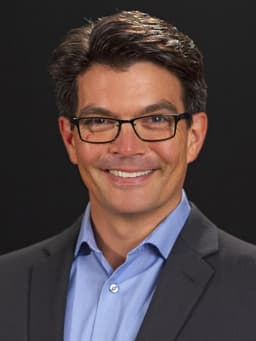
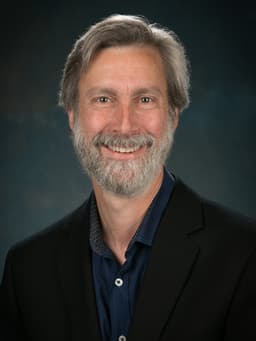
Postdoctoral Researchers

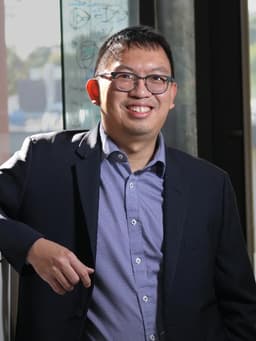
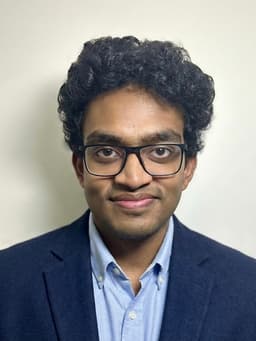
Ce Sui
CASPER Fellow




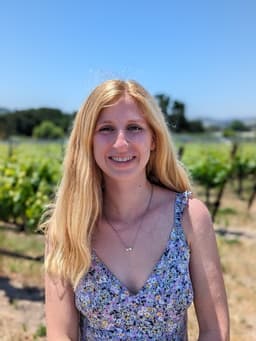
Graduate Students

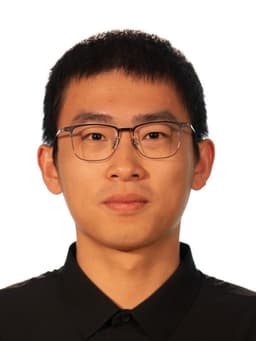
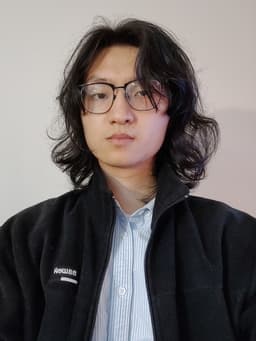

Collaborating Partners

Center for Cosmology and AstroParticle Physics
The Ohio State University

Department of Philosophy
The Ohio State University
Emerging Technology Studio
The Ohio State University

Argonne National Laboratory

Center for Humanities and Technology
University of Cincinnati

CASPER Fellowship
We seek postdoctoral researchers who want to work at the intersection of AI and astronomical science. CASPER Fellows contribute to developing agentic systems for large-scale surveys and advancing computational methods for modern astronomy.
Survey Science Integration
Direct involvement with Roman, DESI, SDSS-V, and ASAS-SN collaborations
Computational Focus
Develop AI and statistical methods for real astronomical applications
Interdisciplinary Environment
Collaborate across astronomy, computer science, and philosophy
We're Looking For
- 01
Researchers interested in building AI systems for astronomical surveys
- 02
Those who can bridge computational methods with scientific applications
- 03
Independent thinkers who ask substantive questions about AI in science
- 04
Collaborators who can contribute to practical, grounded research

Get in Touch
Interested in collaborating or learning more about CASPER? We welcome inquiries.
Location
Department of Astronomy
The Ohio State University
Columbus, OH 43210
 CASPER
© 2026 CASPER Initiative, The Ohio State University